
 What if I told you…
that I struggled with establishing healthy and resilient boundaries for a long time. That is until one day, out of nowhere, I received a distressful call from someone who couldn’t control their temper. The reason for sharing this to remind us to always treat ourselves with kindness and respect, and the importance of not letting anyone believe they can treat us differently.
Emotionally immature people lack self-awareness. They are unable to do the introspection needed to understand and manage their emotions. Individuals who lack emotional maturity fear being judged by others. They don’t like to be seen as being weak, and tend to feel uncomfortable around individuals who are assertive and decisive. This person displays all of these characteristics, and also has great difficulty communicating their emotions and expressing their feelings efficiently. They tend to send mixed signals or use idioms that reflect the opposite of what they are feeling.
Trying to respond to this caller’s angry tone of voice that increasingly got louder, disrespectful and hurtful words conveying superiority and reprimand, was quite unsettling since kindness and respect are values I cherish and displayed towards this person. I wondered what could have triggered such anger. What would have them believe I would accept such disrespectful and negative behaviours. When asked what was their intention, they wouldn’t provide a response. The truth is it wasn’t anything I did. It’s their inability to acknowledge, respect and accept other people’s choices in life. Something they do with people close to them. When someone is this upset, their reaction is usually based on deeper rooted emotions. Emotions that had this person resist calming down and unable to have a kind and respectful conversation.
Emotionally mature people feel secure and grounded within themselves. They are able to communicate their needs, wants and boundaries respectfully and confidently. This conveys the willingness to listen and communicate with clarity, calm, respect and honesty. Being assertive is a skill that helps us develop trust. Trust is built when someone values and respects us. Healthy relationships aren’t built on avoiding discomfort, they’re built on learning how to navigate them, how to respect each other’s values and beliefs, and accept each other’s differences. Knowing that we are not responsible for someone’s disappointment in our choices and decisions is being authentic and emotionally mature. Responding intentionally and respectfully lets them know that we’re willing to have a kind and respectful conversation. Should they continue being disrespectful, we respectfully disengage from the conversation.
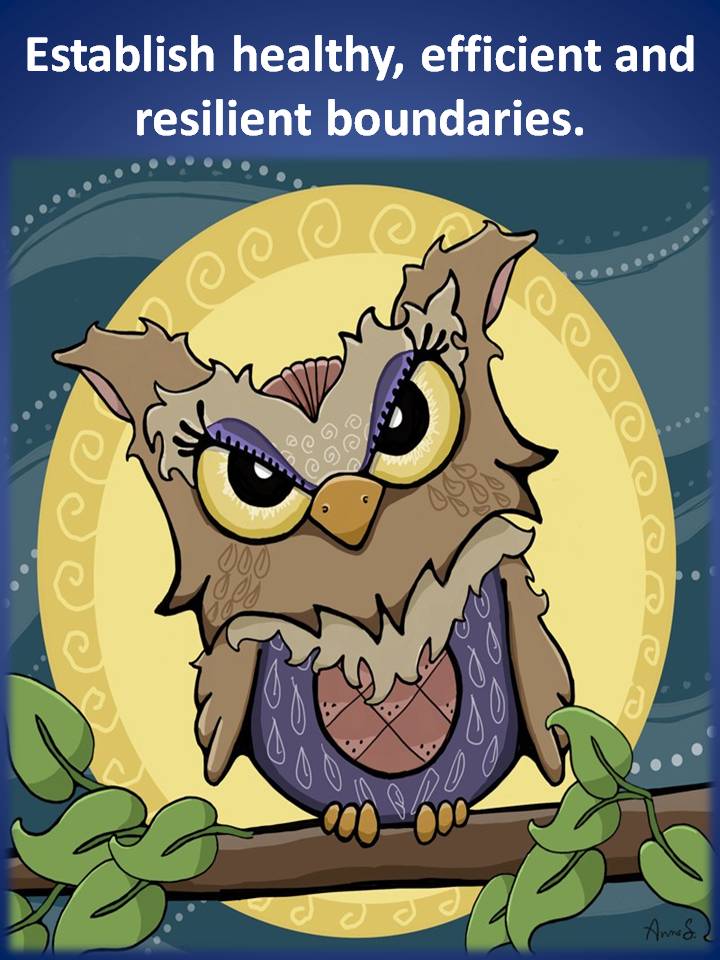
I believe that when such a situation shows up in life, it’s to help those involved evolve and thrive as individuals. Some people will learn from their mistake, others won’t. Some people will apologize, others will play the victim card or just won’t apologize. Some people will change, others won’t. Change frightens certain people. Their refusal to evolve as a human being is their concern, not yours. Your concern is to stay true to yourself and continue choosing honesty over lies. This situation taught me the importance of establishing healthy and resilient boundaries in life. Boundaries are principles we choose to honour and live by that respectfully let others know 1) that we like to be treated with love, kindness and respect; 2) that our time, energy and freedom are not negotiable; 3) that how we choose to create and lead our one-of-a-kind life is our responsibility… no one else’s; and 4) that each and everyone of us have the right to determine who has the privilege to be in our life.
Let’s choose wisely… wisdom is filled with love, kindness and peacefulness.